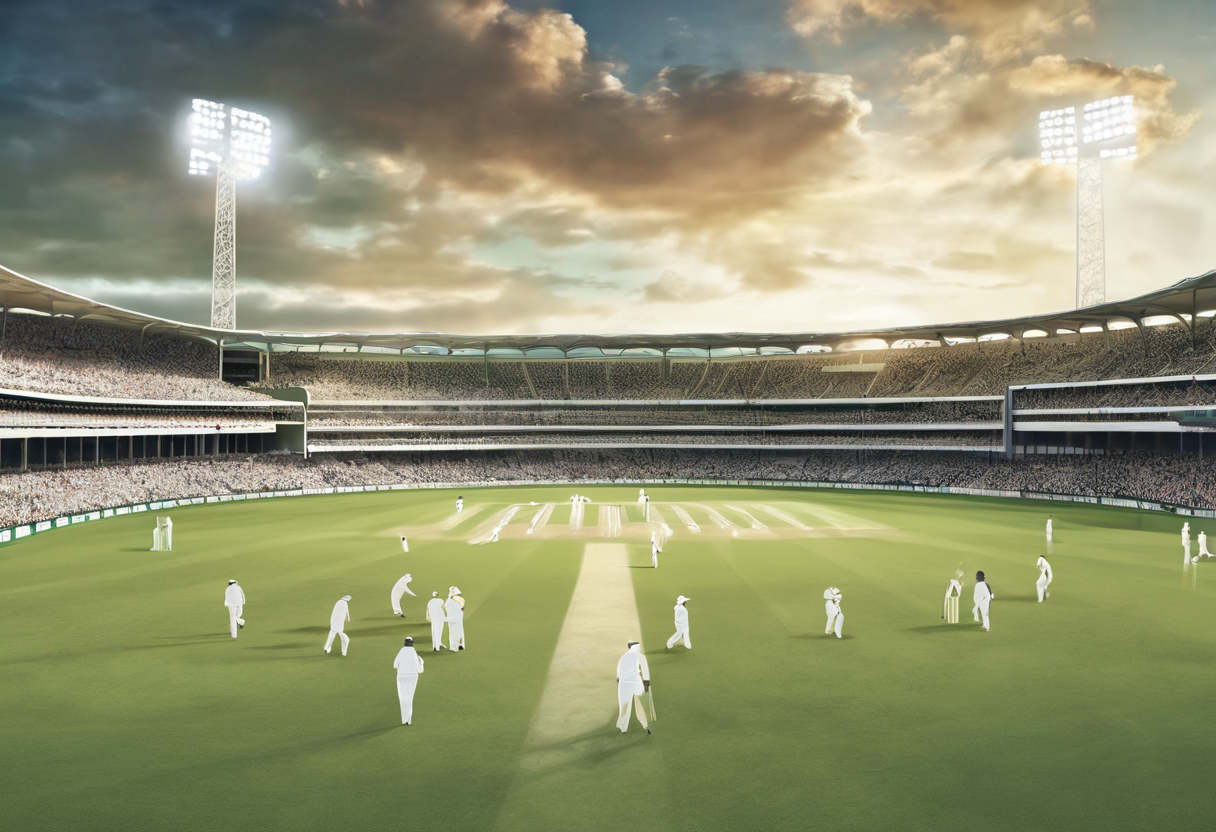
Cricket, one of the oldest and popular team sports in the world, originated in England in the 16th century. The first recorded match was documented in 1597 and since then, the sport has undergone many changes, including the development and evolution of cricket grounds. In the early days of cricket, matches were played on rough and uneven surfaces, often in open fields or on public grounds. However, the demand for a proper venue grew as the sport gained popularity and led to the establishment of the first purpose-built cricket ground, The Lord’s Cricket Ground, in London in 1787.
As cricket became more organized and professional, the need for better facilities and larger grounds also increased. In the 19th century, the introduction of turf pitches and the use of lawnmowers to maintain the grounds became a significant turning point in the history of cricket grounds. This led to the construction of many iconic cricket stadiums such as The Oval in England, the Melbourne Cricket Ground in Australia, and the Eden Gardens in India. These grounds became not only the venues for cricket matches but also witnessed historic moments and contributed to the development and evolution of the sport.
Today, cricket grounds have become state-of-the-art facilities, with advanced technology and equipment to maintain the pitches and provide an optimal playing surface for players. From the introduction of floodlights for day-night matches to the use of retractable roofs, cricket grounds have continued to evolve to cater to the changing demands of the sport. These venues have also become architectural masterpieces, with stunning designs and capacities to accommodate thousands of spectators.
In conclusion, the history of cricket grounds is a reflection of the growth and progress of the sport itself. From humble beginnings on rough and bumpy fields to modern-day stadiums with all the amenities, these grounds have played a crucial role in the development and popularity of cricket. As the sport continues to evolve, we can expect to see even more innovative and impressive cricket grounds in the future.

Comments are closed, but trackbacks and pingbacks are open.